


Find the best warehouses for rent in Transylvania. Modern logistics and industrial spaces, connected to highways and airports, ideal for e-commerce, retail, and manufacturing.
 MAP VIEW


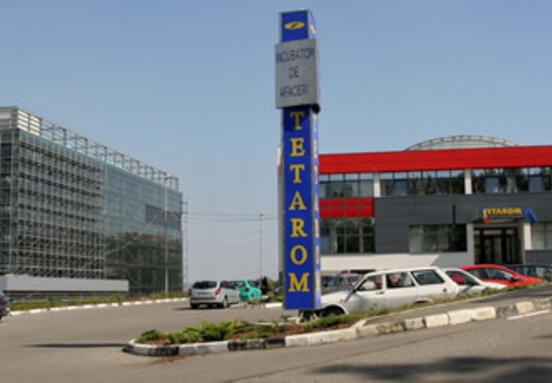
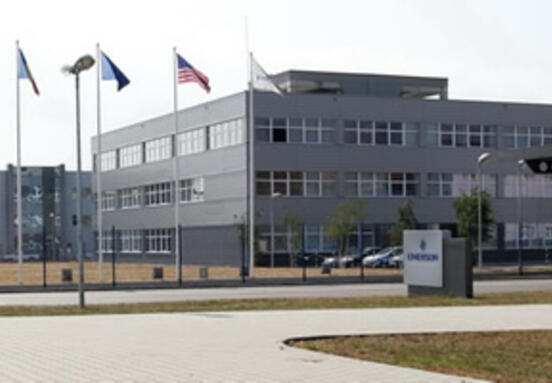
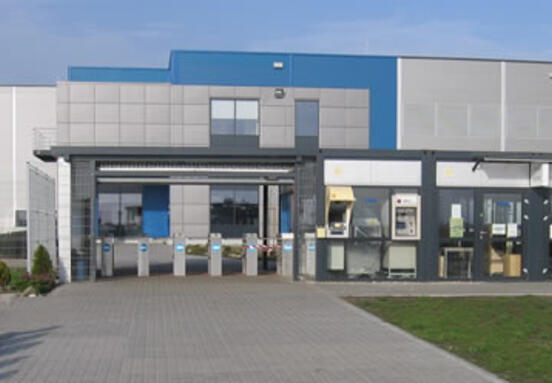
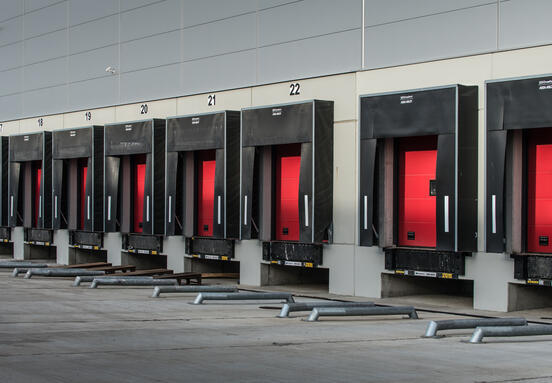
Cluj-Napoca
Juc-Herghelie, Parc Tetarom III
Available : 800 - 885 m2
For sale: 695.00 € + VAT
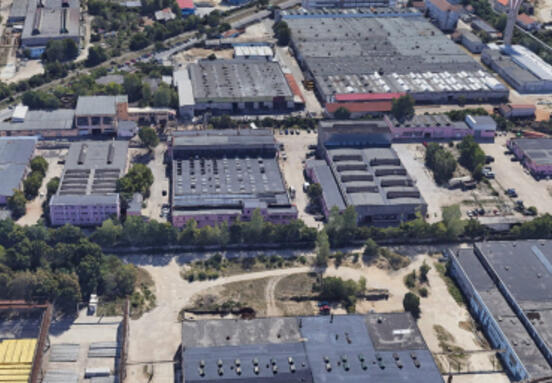
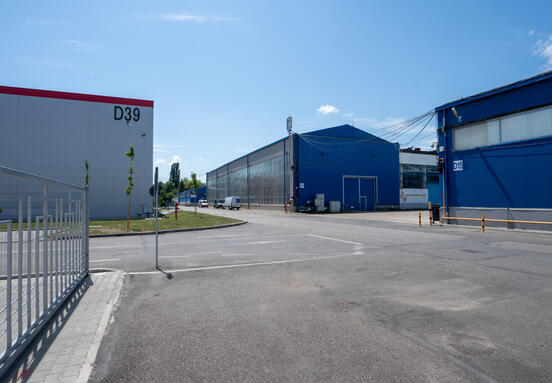

Satu Mare
STR. DOROBANTILOR, NR.90 RO4749370
Available : 500 - 2,150 m2
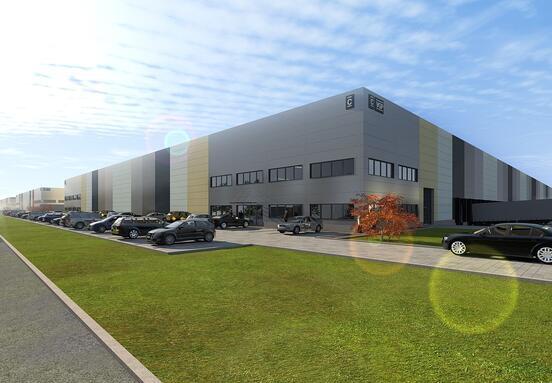

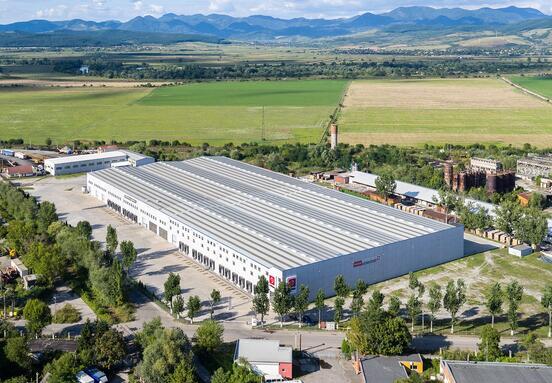
Deva
Str. Depozitelor 17 - Deva; Zona Industriala de Sud,str.Cornelia Bodea,nr.4A,Hala 1B
Available : 100 - 10,000 m2
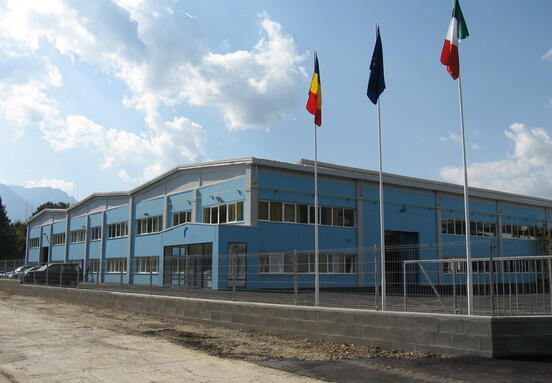


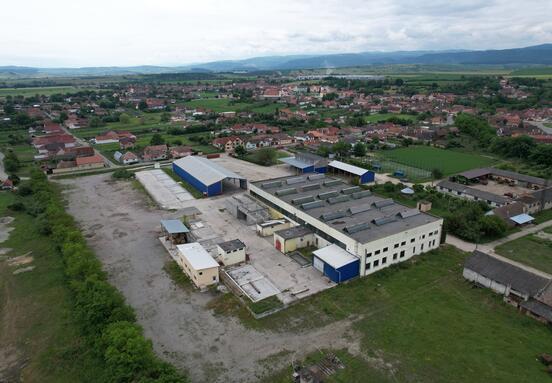
Oferta! Proprietate 5200mp hale cu 3,1 ha teren intravilan, Miercurea Sibiului
Sibiu
Miercurea Sibiului str.Viilor nr.1
Rented
For sale: 875,000.00 € + VAT
MAP VIEW


Brasov
Municipiul Brașov, strada Narciselor nr. 54
Available : 200 - 20,000 m2
For sale: 449,000.00 €
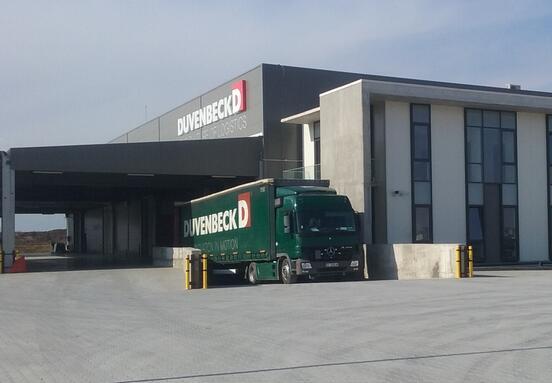
Brasov
Aleea Duvenbeck nr. 9
Available : 200 - 3,800 m2
For rent: 2.50 - 4.30 €/m2 / month


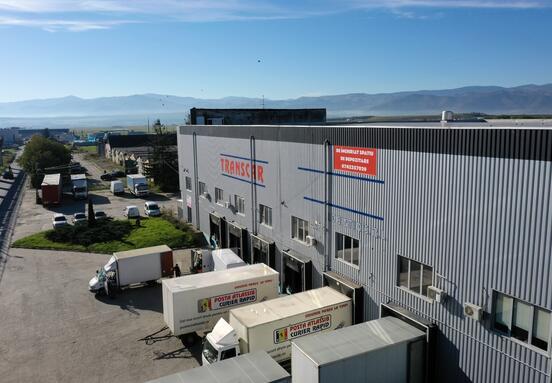
Sibiu
Soseaua Alba Iulia 112
Available : 100 - 4,975 m2
For rent: 4.00 - 6.00 €/m2 / month

Cluj-Napoca
Str. Balastierei Nr. 1S, Gilău, Jud. Cluj
Available : 461 - 1,105 m2
For rent: 5.50 - 8.00 €/m2 / month
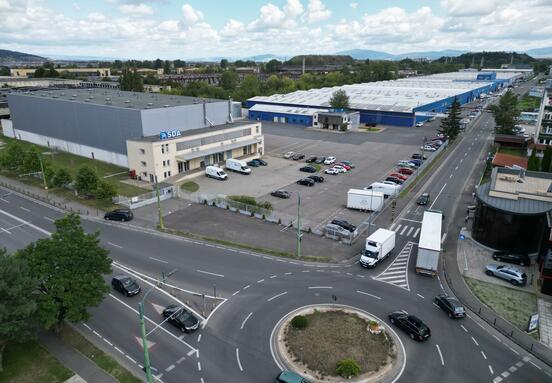
Brasov
Str. 13 Decembrie 94A, Brașov
Available : 240 - 1,200 m2
For rent: 7.00 - 8.00 €/m2 / month

Brasov
Str Sanzienei
Available : 2,700 - 2,700 m2
For rent: 5.00 - 7.00 €/m2 / month

Cluj-Napoca
Str Balastierei Nr. 1S Comuna Gilau, Judetul Cluj
Available : 1,312 - 1,105 m2
For rent: 10,175.55 €/m2 / month
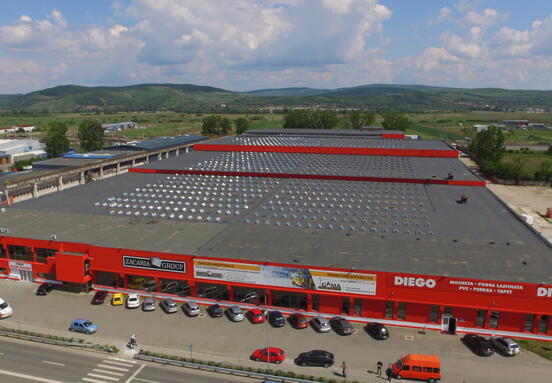

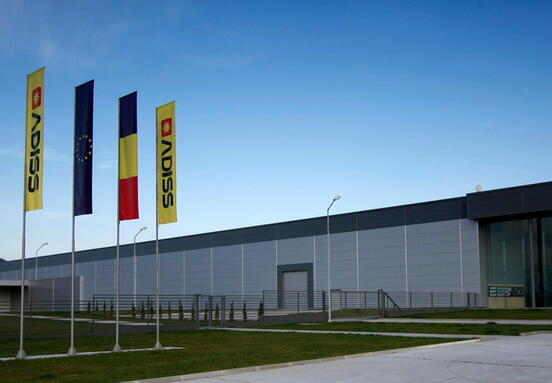
Satu Mare
Strada 66 nr.16 Tautii Magheraus, RO 437345
Available : 200 - 3,900 m2
For rent: 3.00 - 3.50 €/m2 / month
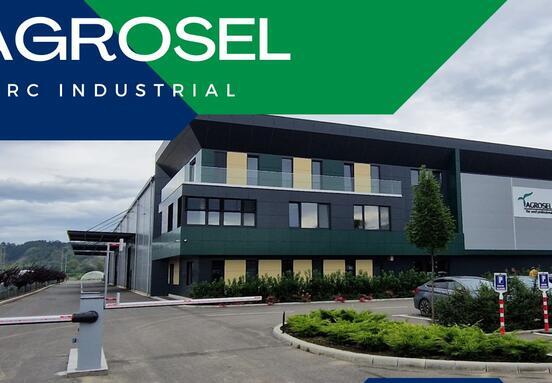
Turda
Limita loc. Turda-Campia Turzii
Available : 2,000 - 5,000 m2
For rent: 4.20 - 4.50 €/m2 / month

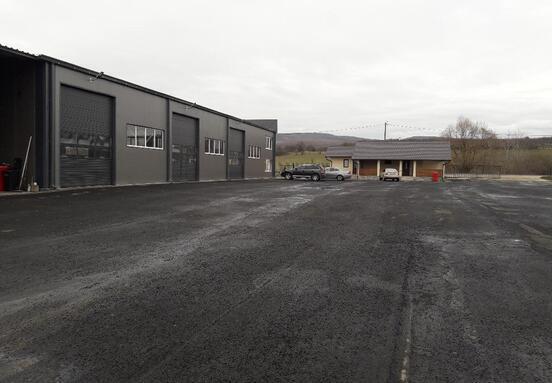
Cluj-Napoca
PRINCIPALA, DN17(E58), Dej
Available : 500 - 800 m2
For rent: 4.00 - 6.00 €/m2 / month
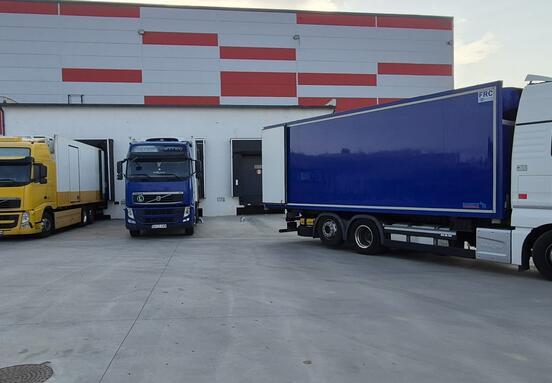

Aries Parc Turda - Industrial spaces for rent between 500-20,000 sq m
Turda
Str. Trascaului
Available : 500 - 20,000 m2


Târgu Mureș
Platforma Industriala 1/G, Targu Mures, Cluj-Napoca
Available : 3,053 - 25,000 m2
MAP VIEW
Cluj-Napoca
Calea Someseni
Available : 800 - 10,000 m2
For rent: 4.70 €/m2 / month

Brasov
Calea Fagarasului, iesirea spre Ghimbav
Available : 600 - 60,000 m2
For rent: 3.80 €/m2 / month


Sibiu
Calea Surii Mari Sibiu
Available : 73,000 m2
For rent: 4.25 - 4.75 €/m2 / month

De vanzare spatiu industrial in Simeria jud. Hunedoara
Târgu Mureș
Reghin Strada Salcamilor
Available : 16,743 m2
For sale: 5,598,250.00 €
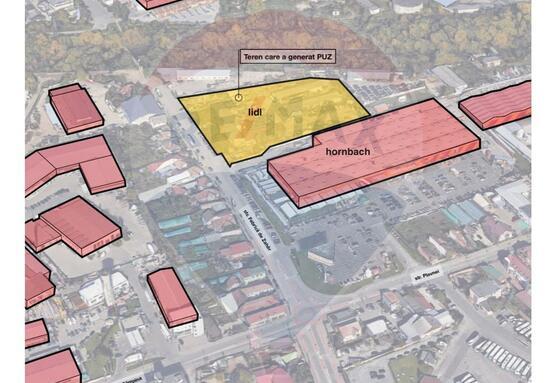
Warehouse for sale Cluj-Napoca, Hornbach area
Cluj-Napoca
Cluj-Napoca
Available : 200 - 471 m2
For sale: 1,090,000.00 € + VAT
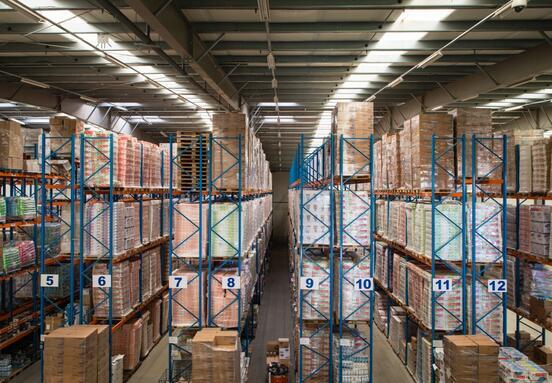
Cluj-Napoca
Str. PRINCIPALA, NR. 4i, Tureni, Cluj
Available : 990 - 8,575 m2
For sale: 4.00 €
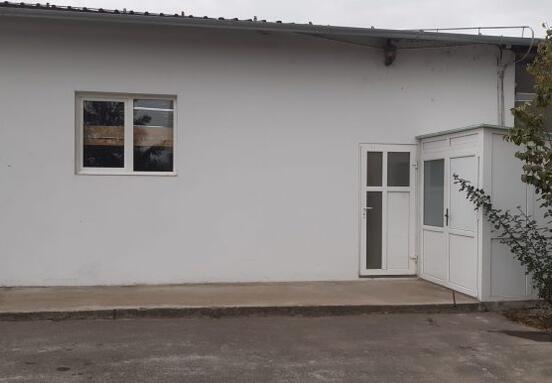
Warehouse for rent, Nufarul area, Oradea
Oradea
Nufaru
Available : 50 - 100 m2
For rent: 5.50 €/m2 / month
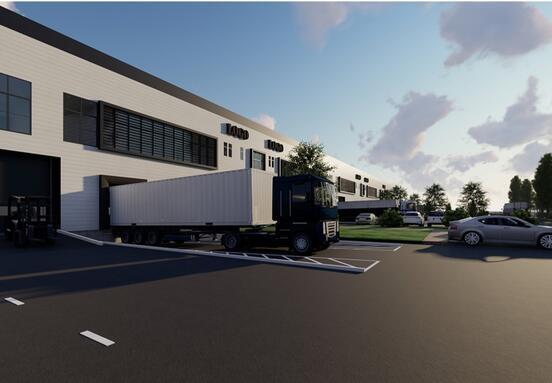
industrial warehouse Cluj-Napoca
Cluj-Napoca
Gilau
Available : 200 - 13,000 m2
For rent: 5.50 €/m2 / month
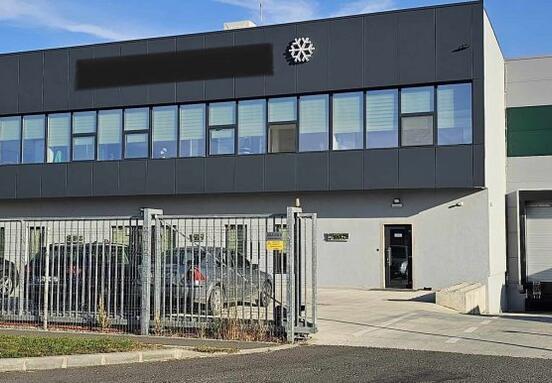
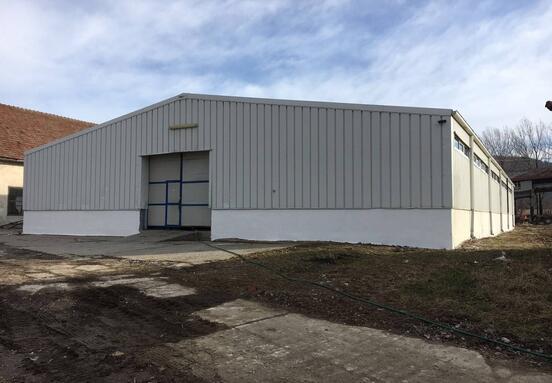
Production / Storage Hall Tălmaciu
Sibiu
Strada Gheorghe Lazăr, Tălmaciu
Available : 400 - 921 m2
For rent: 2.00 - 3.00 €/m2 / month
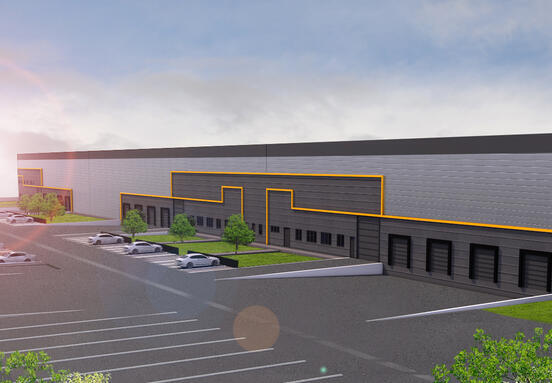
Cluj-Napoca
E576 (DN1), Str. Henri Coanda 1
Available : 500 - 10,000 m2
For rent: 4.60 - 4.80 €/m2 / month

Rasnov
Bd. 1 Decembrie 1918, nr. 8, Rasnov, jud. Brasov
Available : 499 - 5,010 m2
For rent: 4.80 - 6.00 €/m2 / month

Oferta! Proprietate 5200mp hale cu 3,1 ha teren intravilan, Miercurea Sibiului
Sibiu
Miercurea Sibiului str.Viilor nr.1
Rented
For sale: 875,000.00 € + VAT
Transylvania is one of Romania’s most dynamic logistics regions, with a modern industrial and warehouse stock of over 1.8 million m². It includes key economic hubs such as Cluj-Napoca, Târgu Mureș, Sibiu, Brașov, Alba Iulia, and Oradea, attracting investments due to its strategic location and well-developed infrastructure.
Warehouse spaces range from small city-logistics units of 300–500 m² designed for last-mile deliveries to large logistics centers of over 30,000 m² for retailers, 3PL operators, and manufacturers.
Highways & expressways: A3 (Bucharest – Borș), A10 (Sebeș – Turda), A1 (Sibiu – Deva), DN1 and DN7 – connecting the region with the rest of the country and Western Europe
Airports: Cluj-Napoca, Sibiu, Târgu Mureș, Oradea, Brașov-Ghimbav – important for cargo operations
Rail connections: direct links to Pan-European Corridor IV, suitable for containerized freight
This robust network makes Transylvania an ideal logistics hub for both national distribution and cross-border operations.
The region offers quick access to Western borders (Hungary), a skilled and stable workforce, and proximity to customers in key industries – automotive, retail, FMCG, and e-commerce.
Typical unit size: 1,000 – 20,000 m²
Accessibility: 20–25 min from Cluj CBD, direct connection to A3 and DN1C
Specs: 10–12 m clear height, 1 dock per 800–1,000 m², LED lighting, ESFR sprinklers
Unique features: ideal for e-commerce and 3PL; many parks feature solar panels and EV chargers
Typical unit size: 5,000 – 30,000 m²
Accessibility: right on A1, 10–15 min from Sibiu city center
Specs: cross-docking, integrated office areas, 5t/m² floor load capacity
Unique features: strategic hub for distribution to Western Europe
Typical unit size: 2,000 – 25,000 m²
Accessibility: close to Brașov-Ghimbav Airport, with links to DN1 and the future A3 highway
Unique features: preferred location for automotive and FMCG tenants; strong focus on BREEAM/WELL certifications
Typical unit size: 3,000 – 15,000 m²
Accessibility: logistics hub at the Hungarian border, ideal for import-export
Unique features: customs facilities, rail and road connectivity
Typical unit size: 5,000 – 30,000 m²
Accessibility: direct access to A10, quick connection to A1 and A3
Unique features: highly attractive for manufacturers thanks to proximity to automotive supply chains
City-logistics demand: rising interest for units below 5,000 m² close to city centers
Sustainability: increasing adoption of solar panels, LED lighting, water recycling systems, and BREEAM Very Good/Excellent certifications
Lease flexibility: 1–3 years for city-logistics, 3–5 years for large logistics hubs
Digitalization: WMS compatibility, IoT sensors, energy and temperature monitoring
Check truck access and maneuvering capacity
Request floor load capacity data (min. 5t/m²)
Evaluate OPEX and utility consumption
Check local traffic restrictions/regulations
Ask about ESG performance and potential energy savings
What is the smallest unit I can rent?
City-logistics units typically start at 300–500 m², while in larger parks the minimum is usually 1,000–1,500 m².
What is the typical lease term?
City-logistics leases usually run for 1–3 years; large logistics parks for 3–5 years with extension options.
What clear height can I expect?
The market standard is 10–12 m clear height, with some new projects reaching 12+ m.
What additional costs should I plan for?
Besides rent, budget for service charges (park maintenance), utilities, security fees, and potential fit-out costs.

Laurentiu Joita
+40 373 761 303


 LIST VIEW
